
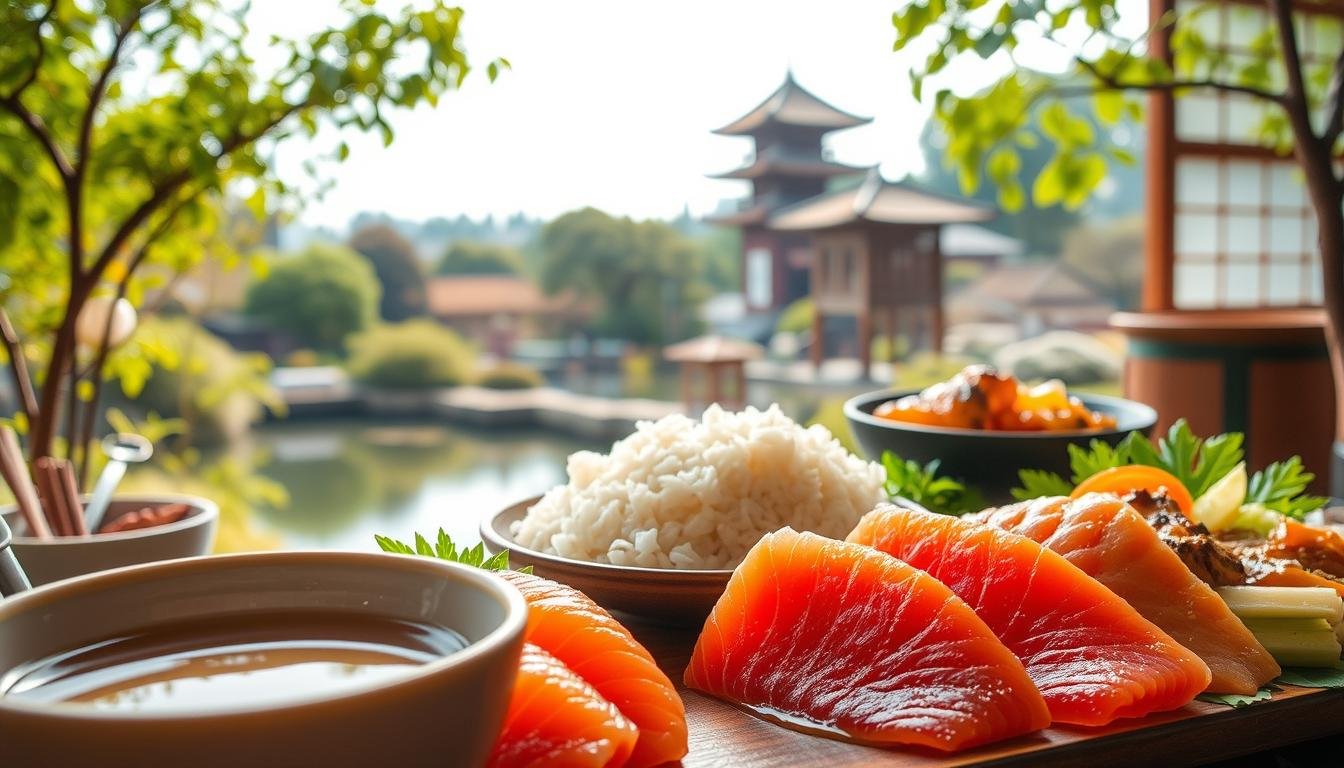
The Traditional Japanese Diet: A Path to Longevity and Wellness
The traditional Japanese diet, known as Washoku, centers on fish, rice, vegetables, and smaller portions while staying very low in fat and featuring fermented foods like miso and natto. This eating pattern contributes to Japan’s world-leading life expectancy and low obesity rates, emphasizing fresh, seasonal ingredients over processed foods.
Key Food Groups
Rice forms the foundation, providing steady energy as the staple carbohydrate in nearly every meal. Fish and seafood, such as mackerel, salmon, and tuna, supply high-quality protein https://rebeccasingsonmd.com/ and omega-3 fatty acids crucial for heart and brain health. Vegetables like leafy greens, roots, seaweed, and mushrooms add fiber, vitamins, and antioxidants, often prepared simply by steaming or quick stir-frying.
Fermented foods stand out for gut health: miso in daily soups delivers probiotics and umami, while natto offers enzymes aiding digestion and blood clotting. Soy products like tofu and edamame provide plant-based protein, keeping animal fats minimal beyond fish.
Health Advantages
This diet’s low calorie density and fat content naturally support weight management and reduce chronic disease risks. Studies link it to a 15% lower premature death risk, particularly from heart disease and stroke, thanks to anti-inflammatory omega-3s and balanced nutrients. High fiber from vegetables and fermented items promotes digestion, immunity, and stable blood sugar.
Japan’s low obesity—among the world’s lowest—stems from portion control via small, shared dishes that encourage mindful eating. The variety of seasonal foods ensures broad nutrient intake without excess.
Sample Daily Meals
Breakfast: Natto over rice, miso soup with tofu and seaweed, pickled vegetables (hara hara).
Lunch: Grilled fish, steamed rice, spinach ohitashi (blanched greens), and vegetable soup.
Dinner: Sashimi or simmered mackerel, brown rice, mixed veggie stir-fry, and green tea.
Portions stay modest—a rice bowl per meal—totaling around 1,800-2,000 calories daily for adults.
Cultural Practices
Meals follow ichiju-sansai (one soup, three sides), balancing flavors and colors for harmony. Eating communally fosters appreciation, while green tea’s antioxidants enhance benefits. Though modern diets incorporate Western influences, reverting to Washoku principles yields proven results.
In summary, this smart, fast-paced lifestyle fuel promotes vitality through simplicity and quality. Adopting it means prioritizing whole foods for enduring health.